The Collaborative Process in Hip Hop Music Production
James Clarke ·
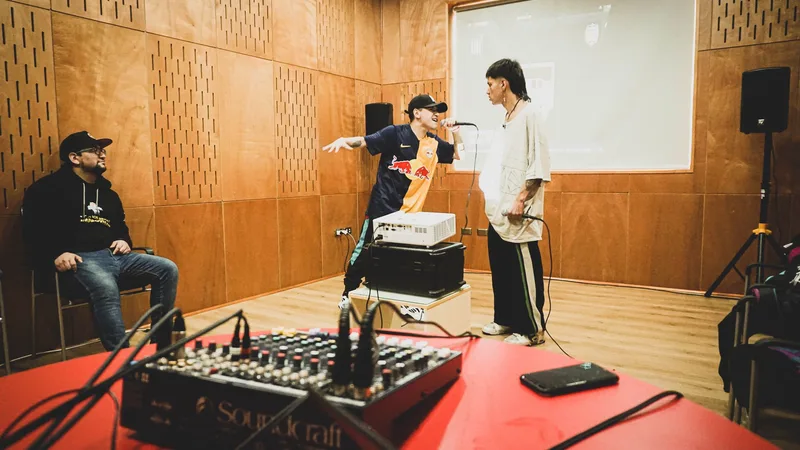
A small studio tucked away in Atlanta buzzes with energy. A group of producers huddles over a mixing console, their eyes fixed on the glowing waveform of a new track. The air is thick with…
The Role of Collaboration in Hip Hop Music Production
Collaboration is a fundamental aspect of Hip Hop music production, influencing both the sound and the overall creative process. In this genre, producers, artists, and engineers come together to blend their unique skills and perspectives. The synergy created through teamwork often leads to innovative beats and lyrics that resonate with audiences. A strong understanding of these dynamics can enhance production quality and foster a more engaging artistic environment
To maximize collaboration's effectiveness, it's crucial to identify key roles within the production team. Each member contributes differently, and recognizing these contributions can streamline the workflow. For budding producers, knowing whom to involve and how to communicate effectively can mean the difference between a good track and a great one.
Contributors in the Studio
In the studio, several key roles come into play during Hip Hop music production. Producers are responsible for the overall sound, while artists bring their lyrical genius and performance style. Sound engineers ensure that the final mix is polished and professional, focusing on technical aspects of recording and sound quality. Additionally, session musicians may be brought in to provide live instrumentation, adding depth to the track. Collaborating effectively with these contributors enhances creativity and leads to a more polished final product.
Communication Techniques
Effective dialogue is essential in a creative setting. Open communication fosters an atmosphere where ideas can flow freely, enabling producers and artists to experiment with concepts and sounds. Techniques such as active listening, constructive feedback, and brainstorming sessions significantly enhance the creative process. By ensuring that all team members feel valued and heard, producers can harness the full potential of their collaboration. Utilizing tools like digital platforms for sharing ideas can also streamline communication, making it easier to collaborate remotely.
Essential Tools for Music Producers
Every music producer needs a solid arsenal of tools to bring their creative visions to life. In Hip Hop music production, the right software and hardware are crucial for achieving the desired sound. From digital audio workstations (DAWs) to synthesizers, these tools enable producers to experiment with different styles and techniques. Familiarity with these resources can dramatically improve a producer's workflow and output quality.
In addition to software and hardware, having access to diverse audio resources is vital. Sample libraries, sound packs, and other audio assets provide the building blocks for creating unique beats. A well-curated collection of sounds saves time and inspires creativity, allowing producers to explore various musical ideas without limitations.
Software and Hardware
Producers today rely on a combination of software and hardware to craft their tracks. Popular DAWs such as Ableton Live, FL Studio, and Pro Tools offer extensive features for arranging, editing, and mixing music. On the hardware side, MIDI controllers, drum machines, and synthesizers play a significant role in shaping the sound. Investing in quality equipment can improve production efficiency and lead to more professional results. Staying updated with the latest technology trends ensures that producers remain competitive in the ever-evolving music industry.
Sample Libraries and Sounds
Diverse audio resources are essential for any music producer looking to create unique tracks. Sample libraries provide a wide range of sounds, from classic drum hits to contemporary vocal chops. Utilizing different genres and styles can enrich the sonic palette and inspire innovative compositions. Producers should curate their collections carefully, ensuring they include high-quality samples that can be manipulated creatively. As a tip, consider exploring subscription services that offer extensive libraries for ongoing inspiration. 🎶
The Creative Process Behind Successful Tracks
Hip Hop Music Production involves a complex creative process that transforms initial ideas into polished tracks ready for release. This journey starts with conceptualization, where producers and artists brainstorm themes, lyrics, and beats that resonate with their audience. Various elements come together, including instrumentation, rhythm, and vocal delivery. Each step is crucial, defining the overall sound and impact of the final product. Understanding these stages helps both artists and fans appreciate the nuances of music production.
Finalizing a track is not simply about hitting record; it requires careful attention to detail. Producers typically follow a structured approach, which often includes the following steps:
- Drafting the initial beat and melody.
- Recording vocals and layering additional sounds.
- Mixing and mastering to achieve the desired sound quality.
- Preparing the track for distribution across platforms.
From Concept to Completion
The transition from concept to completion in music production is marked by a series of defined stages. Each phase offers opportunities for creativity and refinement. Producers must be vigilant in maintaining the vision while being open to new ideas that may enhance the track. This balance can lead to innovative sounds that push the boundaries of traditional Hip Hop. The end goal is to create a piece that reflects the artist's intent and resonates deeply with listeners.
Feedback and Revision
Iterative improvements are essential in the music production process. After initial recordings, artists often seek feedback from trusted peers or producers. This constructive criticism helps identify areas for enhancement, whether refining lyrics, adjusting beats, or altering the overall arrangement. Incorporating this feedback can significantly elevate the track's quality. It’s a collaborative effort where the artist and producer work together to achieve the best possible outcome, ensuring that the final product is polished and impactful.
How Music Production Principles Relate to iGaming Collaboration
The principles of music production find interesting parallels in the world of iGaming collaboration, particularly in how teams come together to create engaging gaming experiences. Just as in music, various talents combine to produce a track, game development relies on the unique contributions of designers, developers, and marketers. This collaborative environment fosters creativity and innovation, ultimately leading to successful gaming projects. Understanding these dynamics can illuminate the similarities between crafting a hit track and developing a popular game.
Collaboration in both music and gaming is driven by shared goals. Here are a few key aspects where these two creative fields intersect:
- Cross-disciplinary teamwork enhances creativity.
- Shared objectives align the efforts of diverse talents.
- Feedback loops improve final products through iteration.
- Both rely on audience engagement for success. 🎮
Teamwork in Game Development
Just as producers assemble a team for music creation, game development requires a collaborative effort among various specialists. Designers, coders, and sound engineers must work in harmony to build an immersive gaming experience. Each member's expertise contributes to the project's success, mirroring how different instruments come together in a music track. This synergy enhances the quality of the final product and encourages innovation, leading to unique gaming experiences that captivate players.
Shared Goals and Creativity
Aligning visions in both music and gaming is crucial for success. In music production, artists and producers aim to convey a specific message through sound. Similarly, game developers strive to create a narrative that resonates with players. Both fields benefit from clearly defined goals that guide the creative process. When teams share a common vision, it fosters an environment where creativity can flourish, resulting in products that are entertaining and meaningful to their audiences.
Exploring the Intersection of Hip Hop and Casino Entertainment
Hip hop music production has evolved into a significant cultural force, influencing various industries, including casino entertainment. As artists collaborate and push boundaries within the genre, their impact extends to marketing strategies and event promotions in casinos. This synergy attracts a diverse audience and enhances the overall experience for players, creating a unique blend of music and gaming that resonates with fans of both worlds.
Casinos increasingly recognize the potential of hip hop to draw in a younger demographic. By integrating music culture into promotions and events, they create engaging experiences that stand out in a competitive market. For instance, live performances by popular hip hop artists can turn a standard gaming night into a memorable event, encouraging patrons to spend more time and money within the venue.
Promotions and Music Events (How hip hop influences casino marketing)
Casinos leverage hip hop by hosting themed nights and events that celebrate the genre. These events often feature live performances, dance contests, and special offers that align with the music's vibrant culture. Engaging hip hop artists for promotional campaigns can significantly enhance a casino's visibility and appeal. For example, a casino might host a launch party for a new slot game that incorporates hip hop elements, attracting fans of both the genre and gaming. Collaborations with local artists can also foster community ties, making the casino a hub for culture and entertainment.
Game Themes Inspired by Music Culture (Examples of hip hop-themed online games)
The influence of hip hop extends into the design of online casino games, with many developers creating titles that reflect the genre's aesthetics and themes. Games often feature iconic symbols, soundtracks, and characters inspired by hip hop culture. For instance, a popular slot game might include elements like graffiti art or references to legendary artists. These games not only entertain but also engage players by tapping into their love for music. Some examples include slots that celebrate classic hip hop tracks or games that feature rap battles as part of the gameplay. 🎤