Essential Techniques in Hip Hop Music Production
James Clarke ·
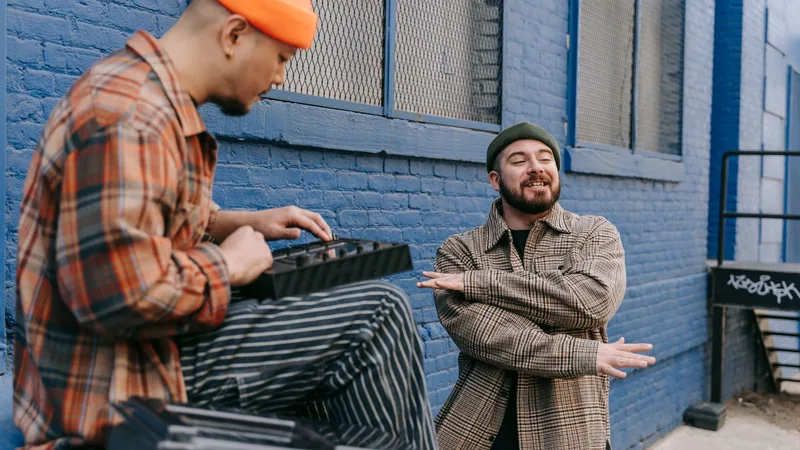
The art of hip hop music production has evolved dramatically over the years, blending traditional techniques with modern technology to create groundbreaking tracks. Producers today harness various…
Sampling Techniques in Hip Hop Music Production
Sampling is a fundamental technique in hip hop music production, allowing producers to incorporate snippets of existing recordings into new compositions. This practice connects the music to its historical roots and opens up a world of creative possibilities. Understanding how to select and manipulate samples effectively is crucial for any aspiring producer looking to craft unique sounds that resonate with audiences. Honing your sampling skills can add distinctive elements that set your music apart
When it comes to choosing samples, certain criteria should guide your selection process. Consider the emotional impact of the sample, its tonal quality, and how well it complements the rest of your track. The right sample can evoke feelings and memories, creating a deeper connection with listeners. Focus on samples that are versatile, allowing for manipulation without losing their essence. This approach ensures that your final product feels cohesive and professionally crafted.
Understanding Sample Selection
Sample selection is an art in itself. Start by identifying samples that resonate with the theme of your track. Look for unique sounds that can be transformed into something fresh. Pay attention to the quality of the recording—high fidelity is key. Additionally, consider licensing issues; using samples legally is essential to avoid complications later on.
Chopping and Manipulating Samples
Once you've selected a sample, the next step is to creatively edit it for your project. Chopping involves breaking down the sample into smaller segments, which can then be rearranged to create new rhythms and melodies. Techniques like pitch shifting, time-stretching, and applying effects can help you achieve unique sounds. The goal is to make the sample your own while maintaining its original vibe. 🎛️ Experimentation is key; try out different combinations until you find the perfect fit.
The Role of Drum Programming in Hip Hop Tracks
Drum programming is a vital aspect of hip hop production, providing the backbone upon which tracks are built. A solid drum pattern creates the rhythm and groove that drives the energy of the song. Understanding how to program drums effectively can significantly enhance your production skills. The right drum sounds and patterns make a track feel alive, engaging the listener from start to finish. Producers must balance creativity and technicality to achieve the desired impact.
When constructing a drum pattern, consider the following elements: the kick, snare, hi-hats, and percussion. Each component plays a specific role in establishing the track's overall feel. By varying the velocity and timing of each hit, you can add a human touch to your programming. This attention to detail can transform a basic beat into something dynamic and infectious, encouraging listeners to move and engage with the music.
Creating a Solid Drum Pattern
To craft a compelling drum pattern, start with a strong kick foundation. The kick should define the rhythm and set the pace for the track. Layering snare hits on the backbeat provides solid contrast, while hi-hats can create a sense of movement. Experiment with syncopation to add interest and complexity. Remember, simplicity can be powerful; sometimes, less is more when establishing a groove.
Layering Drums for Depth
Layering different drum sounds can bring depth and richness to your production. Begin by selecting complementary sounds, such as a punchy kick paired with a warm sub-bass. This combination enhances the low-end presence of your track. Incorporate various percussion elements to create texture; shakers, claps, and snaps can fill in the gaps and provide a fuller sound. 🎶 Always ensure that the layers blend well together, maintaining clarity while adding complexity.
Melody and Harmony in Hip Hop Production
Creating compelling melodies is a fundamental aspect of hip hop music production. A memorable hook can make a track stand out and resonate with listeners. Producers often experiment with different melodic lines, using a combination of instruments and samples. Crafting catchy melodies requires creativity and an understanding of how melodies interact with rhythm and lyrics. This process can involve a lot of trial and error, but the results can significantly enhance the quality of a track.
To develop memorable hooks, consider these strategies:
- Start with a simple motif that can be easily repeated.
- Experiment with different instruments to find the right timbre.
- Use variations in pitch and rhythm to keep the hook engaging.
- Incorporate vocal samples or snippets to add a personal touch.
Crafting Catchy Melodies
When it comes to crafting catchy melodies, producers should focus on creating something that listeners can easily latch onto. This often involves layering different sounds and textures to create depth. A strong melody can serve as the backbone of a track, guiding the listener through its various sections. It's also beneficial to analyze successful tracks to identify common patterns in their melodies. By understanding what works, you can tailor your compositions to the preferences of your audience.
Harmonizing with Chords
Incorporating chord progressions into hip hop tracks can greatly enhance their emotional impact. Chords add depth and richness, complementing the melodies and creating a fuller sound. Many producers utilize common chord progressions as a foundation, then build upon them with unique elements. Experimenting with different voicings and inversions can yield interesting results, allowing you to craft a distinct harmonic signature. Harmony should support the overall vibe of the track, adding layers without overwhelming the primary elements.
Mixing Techniques for Hip Hop Producers
Mixing is a crucial step in hip hop music production that can make or break a track. Achieving a polished mix involves balancing levels and frequencies to ensure that each element is heard clearly. Producers need to pay attention to how different sounds interact within the mix. Understanding the fundamentals of mixing, such as EQ and compression, is essential for any producer looking to enhance their work. A well-mixed track sounds professional and engages the listener more effectively.
Key considerations for a polished mix include:
- Adjusting levels to ensure no single element dominates.
- Using EQ to carve out space for each frequency range.
- Applying compression to maintain consistent dynamics.
- Regularly referencing your mix on different playback systems.
Balancing Levels and Frequencies
Balancing levels and frequencies is fundamental to achieving a professional sound. Start by setting the levels of each track, ensuring that vocals, drums, and instruments complement each other. Use EQ to remove unwanted frequencies and enhance the clarity of each sound. Regularly check your mix in mono to catch any phase issues that may arise. Taking the time to refine these aspects can significantly improve the overall sound quality of your production, making it more appealing to listeners.
Applying Effects for Character
Using effects like reverb and delay can add character and depth to hip hop tracks. These effects can create a sense of space and ambiance, enhancing the overall listening experience. It's important to use effects judiciously; over-processing can detract from the clarity of the mix. Experiment with different settings to find the right balance that complements your sound. Remember that every effect should serve a purpose, contributing to the track's character without overwhelming the core elements.
Connecting Hip Hop Music Production to Casino Entertainment
Hip hop music production has evolved significantly over the years, becoming a powerful form of artistic expression and a lucrative business. Producers and artists have found innovative ways to monetize their craft through various channels. As we explore the intersection of hip hop and casino entertainment, it's evident that both industries share common ground in their pursuit of creating memorable experiences for their audiences. This connection opens up new opportunities for collaboration and engagement, especially in iGaming.
The crossover between music and gambling is increasingly apparent, as both fields thrive on excitement and high-energy environments. Casinos are now incorporating live performances and music-themed events to attract a younger demographic. Meanwhile, hip hop artists embrace partnerships with gaming companies to reach wider audiences. This synergy amplifies the entertainment value and enhances the overall experience for participants in both realms.
The Business of Music and Gambling
Examining the crossover between music production and iGaming reveals numerous business opportunities. Both industries rely heavily on branding, marketing, and audience engagement to succeed. Hip hop artists often collaborate with gambling platforms to create exclusive content, such as tracks for promotional campaigns or even in-game music for online casinos. This relationship allows artists to tap into a new revenue stream while providing casinos with fresh content that resonates with their target audience.
Creating Engaging Experiences in Both Fields
Strategies for captivating audiences in hip hop and casino environments are essential for success. Both sectors focus on creating immersive experiences that keep audiences coming back for more. Here are a few effective strategies:
- Live Events: Hosting concerts and live DJ performances in casinos can draw crowds and enhance the gaming atmosphere.
- Interactive Features: Incorporating interactive music elements in online slots or table games can significantly boost player engagement. 🎶
- Cross-Promotions: Collaborating on marketing campaigns between artists and gaming companies can create buzz and attract new customers.
- Brand Partnerships: Establishing partnerships that leverage the influence of hip hop culture can help casinos reach a broader audience.